Keep a record of what you notice
Record the date, location and description of an issue. Photographs taken from a safe, accessible position can help explain it to the person arranging repairs.
- Visible water marks or leaks
- Doors and windows that no longer close correctly
- Damaged finishes or fittings
Look for patterns
An issue that returns after a repair deserves a closer conversation. Note whether it coincides with rain, heavy use or a particular part of the building’s operating cycle.
- Repeat incidents and previous repair dates
- Conditions when the problem appears
- Areas affected and impact on use
Plan around the property
Group suitable non-urgent work where practical and agree access with occupants. Keep a list of completed work and the details of any warranties or follow-up recommendations.
- Access arrangements and responsible contact
- Work priorities and agreed dates
- Completion records and follow-up items
Use the right help
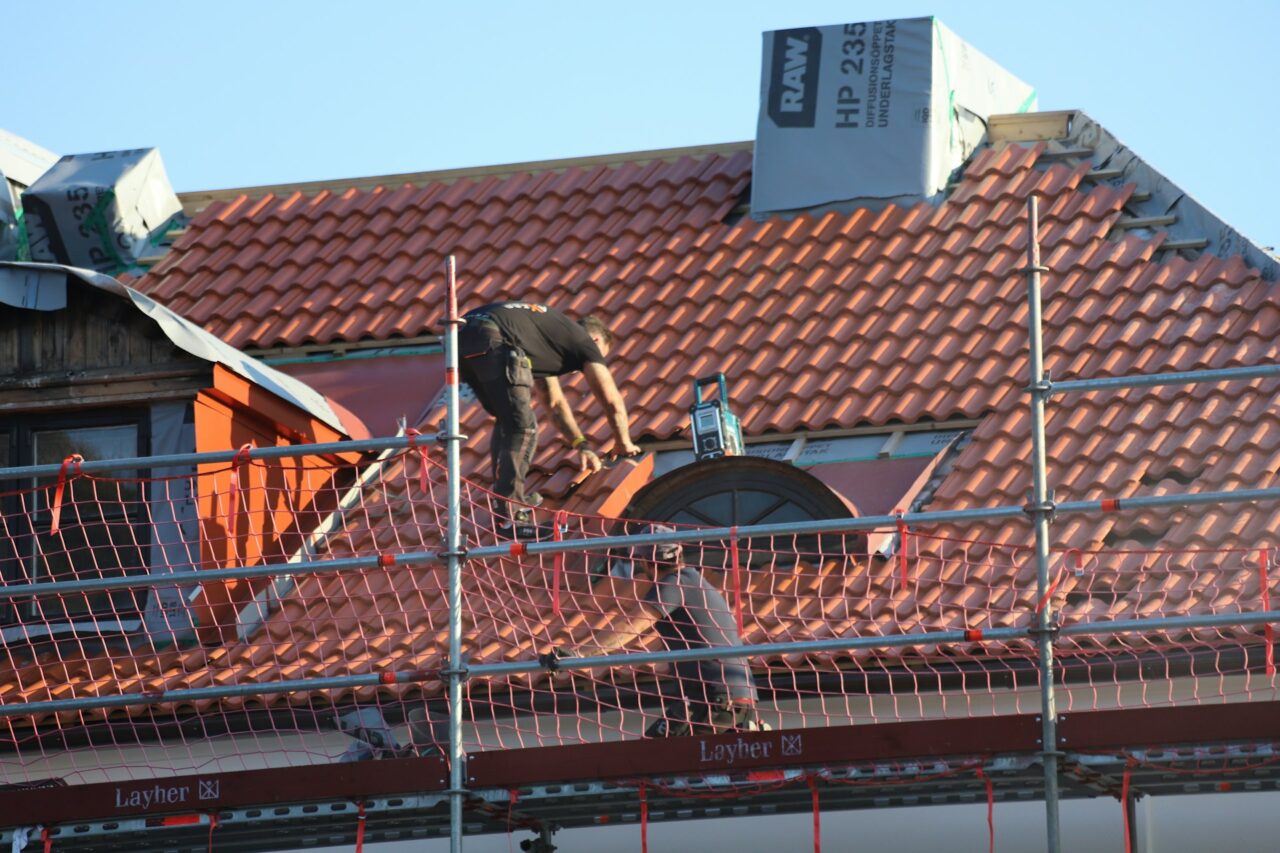
This is a planning checklist, not a technical inspection. Leave electrical, structural, roof and other hazardous assessments to appropriately qualified people. If an issue presents immediate danger, keep clear and contact the relevant emergency service.
General project-planning guidance. Site-specific requirements and responsibilities should be discussed with the appropriate professionals before work begins.
Put your plan into a conversation →